


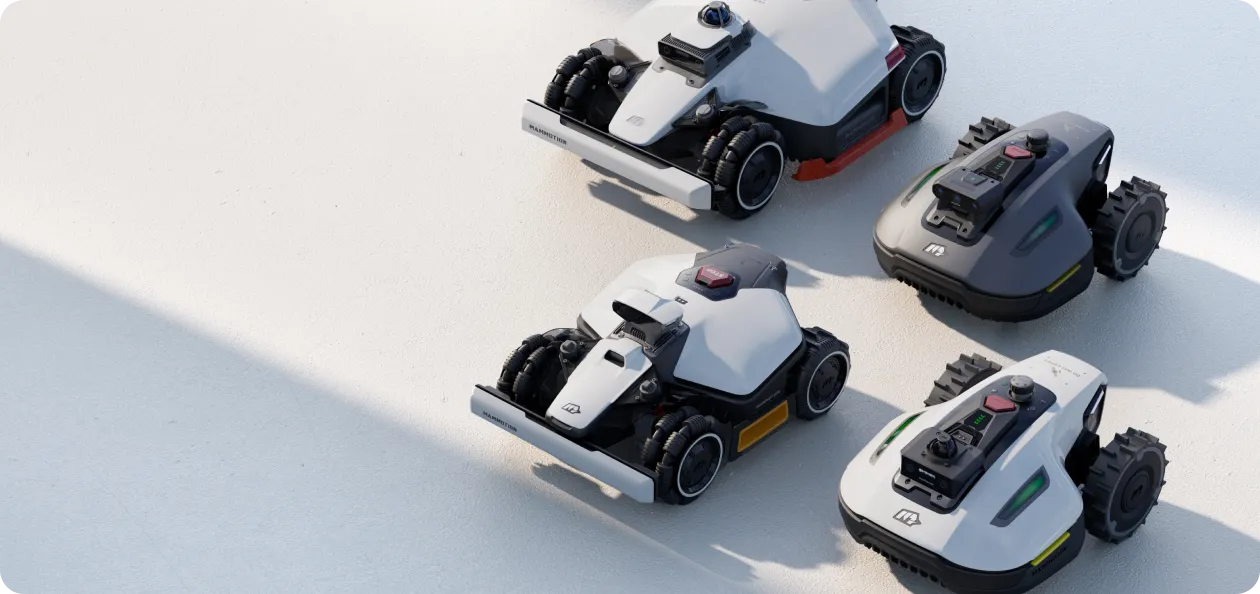




Winter maintenance is especially critical for robot lawn mowers in Canada due to the country’s long, cold, and often severe winter conditions. Compared with most European regions, Canadian winters typically involve extended periods of sub-zero temperatures, heavy snowfall, frequent freeze–thaw cycles, and widespread use of road salt. These factors significantly increase the risk of battery damage, corrosion of metal components, moisture intrusion into electronics, and long-term performance degradation if a robotic mower is not properly prepared.
In many parts of Canada, robotic mowers may remain inactive for four to six months each year, making correct winter storage and battery care essential for reliable spring operation. This guide provides cold-climate–specific maintenance practices tailored to Canadian conditions, helping homeowners protect their investment, extend equipment lifespan, and ensure safe, efficient performance when the growing season returns.
When Should You Stop Using Your Robot Lawn Mower in Canada?
Choosing the right time to stop operating a robotic lawn mower in Canada depends more on climate conditions than on the calendar. Stopping too late increases the risk of frost damage, soil compaction, and drive system wear.
1. Grass Growth and Soil Temperature
When grass growth slows significantly and no longer requires regular cutting, soil temperatures are usually approaching the lower limit for safe mower operation. This is a reliable early indicator that shutdown preparation should begin.
2. First Frost vs. Permanent Freezing
The first light frost does not always require immediate shutdown. However, once overnight temperatures fall below freezing consistently and daytime thawing becomes limited, continued operation can damage both turf and mechanical components.
3. Regional Climate Differences in Canada
Shutdown timing varies widely across Canada. Northern and prairie regions often require stopping earlier in autumn, while coastal areas may allow slightly longer operation. Local weather patterns should always take priority over general timelines.
Tip: As a general rule, it is better to stop the mower slightly early than risk damage from frozen ground or concealed frost under wet grass.
Winter Maintenance of Robot Lawn Mower: Step Guide
Once the shutdown timing has been determined, winter maintenance in Canada should follow a structured, cold-climate–specific process. Unlike milder regions, Canadian robot mower winterization must account for sub-zero temperatures, snow, freeze–thaw cycles, and salt exposure.
Step 1 – Tool & Winter Safety Preparation
Essential Tools:
- Soft cleaning brush (for dried grass, soil, and salt residue)
- Microfibre cloths (for sensitive surfaces and sensors)
- Protective gloves (for blade and cold surface handling)
- Screwdrivers / hex keys (for blade and panel removal)
- Non-corrosive cleaning agent
- Contact-point cleaning spray
Cold-Climate Additions:
- Anti-corrosion spray (for salt-prone areas)
- Moisture-absorbing pads or silica packs (for storage area)
- Insulated battery storage box (optional, for removable batteries)
Safety Notes:
- Never work on the mower while it is connected to power
- Avoid cleaning in freezing outdoor conditions
- Do not use metal wire brushes on sensors or contacts
Tip: Preparing all tools in advance is especially important in cold environments, where rushed handling increases the risk of mistakes and component damage.
Step 2 – Deep Cleaning for Snow, Salt & Moisture Exposure
Before winter storage, a deep and careful cleaning is essential to remove grass debris, moisture, and especially salt residue that can accelerate corrosion in Canadian conditions.
Preparation:
- Power off the mower and disconnect it from the charging station
- Place it on a stable, dry surface with access to the underside
- Mammotion suggests our robot lawn mower charge 80% before doing winter maintenance (check our robot mower's winterization video here)
Cleaning Steps by Area:
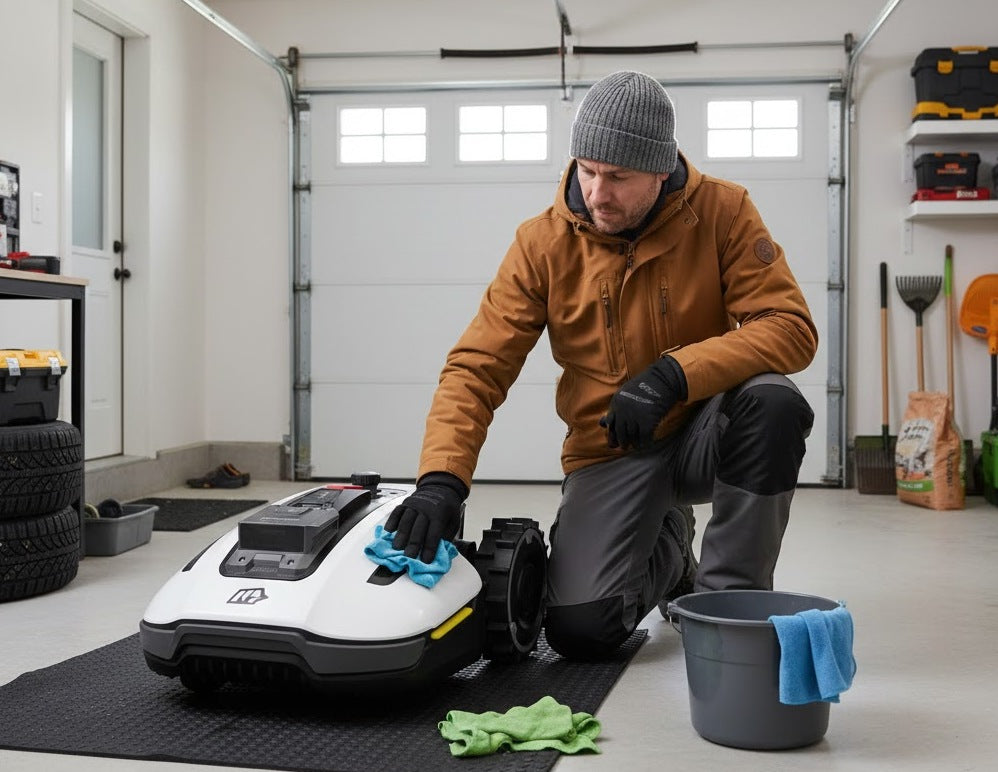
- Exterior casing (housing): wipe the entire outer shell with a damp microfibre cloth and a mild, non-corrosive cleaner to remove dirt, salt film, and moisture that can damage coatings over winter
- Wheels and wheel housings: use a soft brush to remove packed grass, mud, and any salt residue that may cause rust or restrict movement
- Undercarriage and blade disc: clear all clippings and dirt using a soft brush or cloth; inspect for trapped moisture and corrosion
- Sensors and safety components: gently wipe with a dry microfibre cloth to maintain accurate detection
- Charging contacts: clean with a contact-point spray or dry cloth to prevent oxidation and poor charging in spring
Safety Notes:
- Never use high-pressure water
- Do not allow water to enter vents or charging ports
- Ensure the mower is completely dry before moving to storage
Tip: Removing salt residue and moisture now significantly reduces corrosion risk during long Canadian winters.
Step 3 – Wear Parts Inspection After Harsh Canadian Autumn Conditions
After cleaning, it is crucial to inspect all wear parts, as Canadian autumn often exposes robotic mowers to wet, muddy, and salt-affected conditions. Early detection prevents failures during storage and ensures reliable spring performance.
Inspection Areas of Robot Mower:
- Blades: Check for dullness, bending, or rust caused by wet grass and salt. Replace if necessary.
- Wheel Bearings and Wheels: Inspect for cracks, corrosion, and debris; ensure wheels rotate freely. Apply low-temperature bearing grease if recommended.
- Seals and Rubber Components: Examine sealing gaskets, bumpers, and protective rubbers for cracks or hardening from cold and moisture. Replace if compromised.
- Fasteners and Screws: Tighten loose screws and bolts, especially those exposed to moisture and salt, to avoid loosening during storage.
- Drive Belts or Gears (if visible): Look for wear or stiffness caused by wet conditions and early frost.
Tip: Document any replaced parts and inspection notes. This is particularly important in Canada, where freeze–thaw cycles can cause hidden damage that may not be visible until spring.
Step 4 – Battery Handling in Sub-Zero Temperatures
Battery care is critical during Canadian winters. Exposure to sub-zero temperatures can permanently damage lithium-ion batteries, reduce capacity, or even make them unsafe. Following proper handling and storage guidelines ensures a smooth spring startup.
Removable Batteries:
- Charge the battery to 40–60% before storage—never store fully charged or fully drained.
- Remove the battery and store indoors in a dry, temperature-controlled environment (5–15°C).
- Inspect terminals for corrosion and clean with a dry cloth or contact-point spray.
- Optional: Use an insulated battery box to prevent cold damage in unheated areas.
Integrated Batteries:
- If the battery cannot be removed, ensure the mower is powered off.
- Store the mower indoors in a frost-free, dry location, away from direct cold floors or uninsulated garages.
- Monitor battery health periodically during winter and recharge only to recommended levels if necessary.
Safety Notes:
- Never charge batteries in freezing conditions.
- Avoid exposing batteries to snow, ice, or damp floors.
Tip: Proper battery handling in Canada prevents permanent capacity loss, enhances safety, and ensures the mower is ready for efficient operation in spring.
Step 5 – Charging Station, Power Supply & Perimeter Systems
Proper care of the charging station, power supply, and perimeter system is essential in Canadian winters, where snow, freeze–thaw cycles, and salt exposure can damage connectors and electronic components.
Charging Station:
- Disconnect from power before any maintenance.
- Wipe down contacts with a dry cloth or contact-point spray to remove salt residue and moisture.
- If possible, move the station indoors; if outdoor storage is unavoidable, use a waterproof, insulated cover.
Power Supply and Cables:
- Inspect cables for cracks, brittleness, or corrosion caused by cold and salt.
- Keep connectors clean and dry to prevent electrical faults.
Perimeter System:
- Check boundary wires and sensors for physical damage or exposed wiring from frost heave.
- Coil and secure any excess wire to prevent tangling or freezing in place.
- Ensure sensor connections are clean, dry, and functioning properly.
Tip: Maintaining these systems prevents navigation errors, electrical failures, and costly repairs caused by snow, ice, or salt during winter months in Canada.
Step 6 – Firmware, App Settings & Map Backup Before Winter
Before long-term winter storage in Canada, it is important to secure all software, navigation data, and system settings. Extended inactivity combined with battery disconnection can sometimes lead to data loss or configuration issues.
Firmware Updates:
- Check for the latest firmware via the manufacturer’s app or official website.
- Install all recommended updates before shutdown to avoid compatibility issues in spring.
Map and Schedule Backup:
- Backup lawn maps, zones, no-go areas, and mowing schedules through the app.
- Save screenshots or export profiles where supported, especially for multi-zone properties.
System & Connectivity Check:
- Test Wi-Fi, GPS, RTK, or LIDAR connectivity before storage.
- Confirm that error notifications and safety alerts are functioning properly.
Account & App Security:
- Ensure login credentials are saved securely to avoid access issues after winter.
Tip: Completing all software updates and backups before storage reduces spring troubleshooting and ensures the mower resumes operation with its original settings intact.
Step 7 – Indoor Storage Rules for Canadian Winter
Correct indoor storage is essential to protect robotic lawn mowers from extreme cold, condensation, and long-term moisture exposure during Canadian winters.
Recommended Storage Location:
- Store the robot lawn mower in a dry, heated, frost-free indoor space, such as a utility room, workshop, or conditioned garage.
- Unheated garages, sheds, and outdoor storage boxes are not recommended, as prolonged sub-zero temperatures can damage electronics and batteries.
Temperature and Humidity Control:
- Ideal storage temperature: 5–20°C
- Keep humidity low to prevent corrosion and moisture buildup inside electronic components.
Placement Guidelines:
- Place the mower on a raised surface, shelf, or rubber mat to avoid direct contact with cold concrete floors.
- Use a breathable dust cover to protect from dirt while allowing air circulation.
- Keep the mower away from snow gear, road-salt containers, and dripping water sources.
Rodent Protection:
- Inspect storage areas for rodents, as cable damage during winter is a common issue in rural regions.
Tip: Stable indoor storage conditions are one of the most effective ways to prevent cold-related failures and ensure trouble-free spring reactivation.
Step 8 – Mid-Winter Checkups During Long Storage
Even while in storage, robotic lawn mowers in Canada should be checked periodically throughout winter to prevent hidden damage caused by long-term cold and inactivity.
Recommended Check Interval:
- Inspect the mower and battery every 6–8 weeks.
Key Inspection Points:
- Battery level: Verify the charge remains within the recommended storage range and recharge slightly if necessary (never in freezing conditions).
- Moisture and condensation: Check for signs of dampness on the casing, charging contacts, and battery terminals.
- Corrosion: Look for early surface rust on metal parts or connectors.
- Rodent activity: Inspect cables and soft components for bite marks or nesting debris.
Tip: Light mid-winter inspections help detect early-stage issues and significantly reduce the risk of expensive repairs when spring arrives.
Step 9 – Spring Reactivation After Snow Melt
After winter storage and once snow has fully melted, a careful reactivation process ensures the robotic mower operates safely and reliably in early Canadian spring conditions.
Battery and Power System:
- Reinstall removable batteries or reconnect integrated systems.
- Fully charge the battery at room temperature before use.
- Inspect terminals and charging contacts for corrosion or moisture and clean if necessary.
Mechanical Inspection:
- Check blades, wheels, and drive components for winter-related stiffness, corrosion, or damage.
- Ensure all screws and fasteners remain secure.
- Manually rotate wheels to confirm smooth movement.
Sensors and Navigation:
- Clean all sensors and camera or LIDAR surfaces.
- Verify boundary wire detection, RTK, or LIDAR positioning accuracy, as ground movement from freeze–thaw cycles may affect alignment.
Test Run:
- Perform a short supervised test run without full mowing load.
- Observe traction, straight-line movement, and obstacle detection on damp spring turf.
Tip: Early testing after snow melt helps identify issues caused by winter storage and ensures optimal performance throughout the Canadian growing season.

Common Robot Lawn Mower Winter Storage Mistakes in Canada
Canadian winters present unique risks for robotic lawn mowers. Avoiding the following common storage mistakes can prevent permanent damage and costly spring repairs:
1. Storing the mower in an unheated garage or shed:
Extended exposure to sub-zero temperatures can damage electronic components and permanently reduce battery capacity.
2. Charging the battery in freezing conditions:
Lithium-ion batteries must never be charged below freezing, as this can cause internal cell damage and serious safety risks.
3. Leaving road salt residue on the mower:
Salt left on wheels, the underside, or the casing accelerates corrosion throughout the winter.
4. Placing the mower directly on cold concrete floors:
Cold and condensation from concrete surfaces can introduce moisture into sensitive components over long storage periods.
5. Ignoring mid-winter inspections:
Moisture buildup, corrosion, and rodent damage often go unnoticed without periodic checks.
6. Storing the battery at zero charge:
Fully depleted storage states can shorten battery lifespan and reduce performance.
Tip: Most winter-related failures in Canada are caused not by cold alone, but by moisture, salt corrosion, and improper battery handling.
Is Winter the Best Time to Buy a Robot Lawn Mower in Canada?
For many Canadian homeowners, winter is actually one of the best times to purchase a robotic lawn mower. Winter sales include major promotions like Black Friday and Christmas sale, featuring substantial discounts that make it an ideal time to purchase robotic lawn mowers.
Buying in winter also allows ample time for delivery planning, learning system functions, preparing the charging station, and planning installation before grass growth begins. This avoids early-season stock shortages and installation delays that are common across many Canadian regions once temperatures rise.
Recommended Mammotion Models for Canadian Lawns
Mammotion offers several models well suited to Canadian climate and terrain challenges:
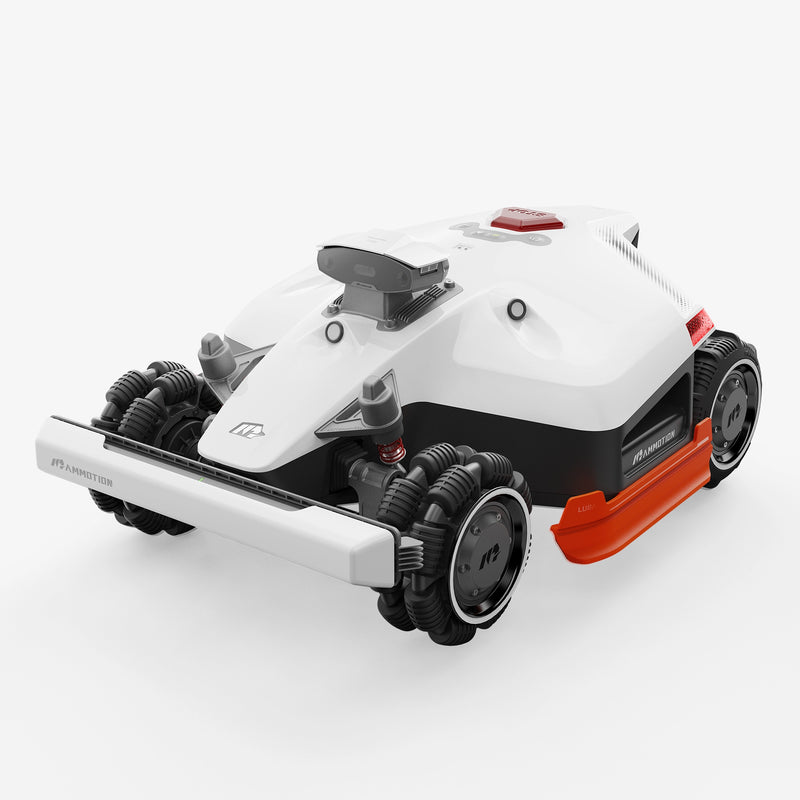
LUBA mini AWD: Ideal for small to medium lawns with slopes or uneven ground. The all-wheel drive system provides stable traction during early spring when soil is still damp and soft after snowmelt.
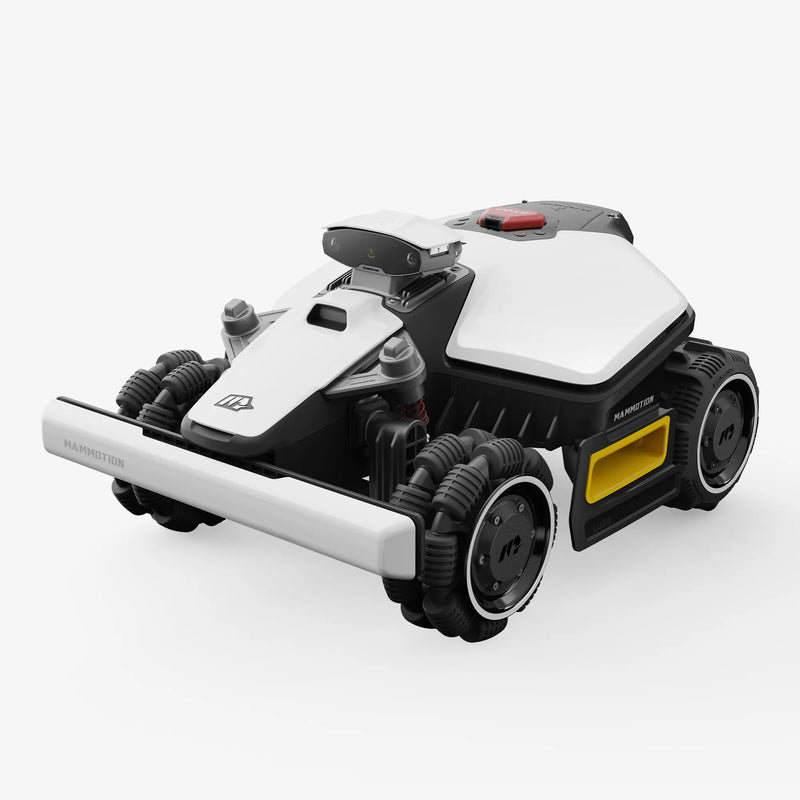
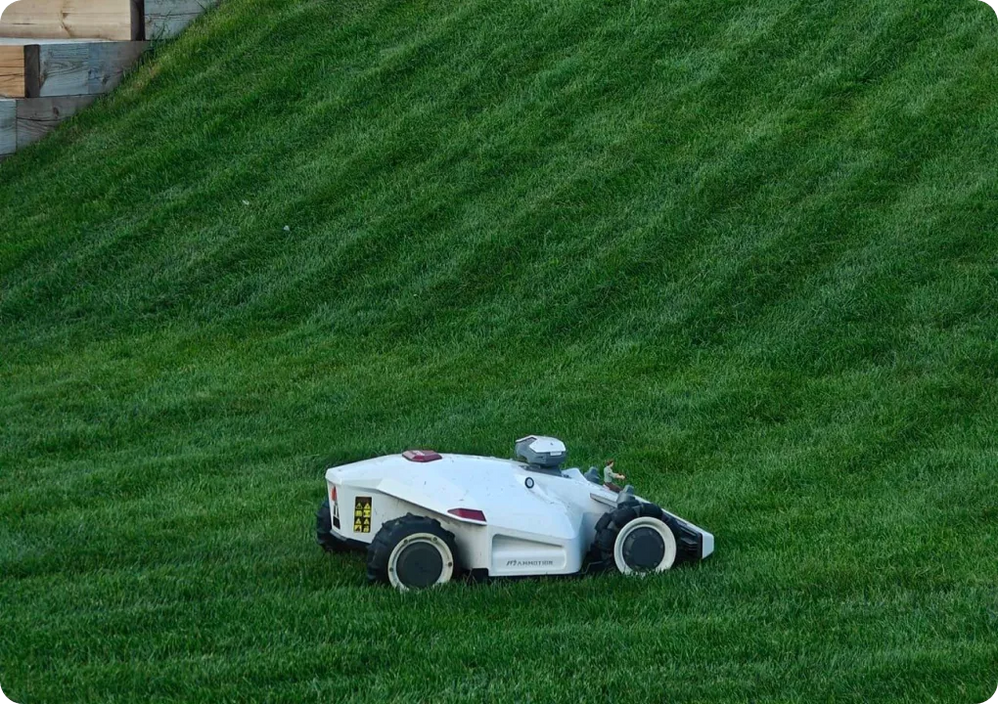
LUBA 2 AWD X: A high-capacity solution for large properties and demanding terrain. It combines advanced navigation with powerful AWD traction, making it well suited for Canadian estates with variable elevations and post-winter surface changes.
Tip: Selecting a robotic mower in winter allows Canadian homeowners to match mower performance with early-season ground conditions, ensuring reliable operation from the first weeks of spring.
Summary: Reliable Winter Care Means Reliable Mower Performance
Canadian winters place far greater stress on robotic lawn mowers than mild European climates. Extreme cold, moisture, road salt, and long periods of inactivity can all shorten the lifespan of batteries, electronics, and mechanical components if proper winter care is neglected.
By following a structured winterization process—deep cleaning, battery protection, indoor storage, mid-winter inspections, and careful spring reactivation—homeowners can significantly reduce the risk of corrosion, electrical failure, and performance loss. Proper winter maintenance not only protects your investment but also ensures your mower is ready to operate safely and efficiently as soon as the growing season returns.
Whether you maintain your mower independently or choose professional servicing, consistent winter care is the key to long-term reliability in Canada’s demanding climate.
Frequently Asked Questions
1. How cold is too cold for storing a robot lawn mower in Canada?
Anything below 0°C is generally unsafe for long-term storage, especially for lithium-ion batteries. A dry, frost-free indoor space between 5–20°C is recommended.
2. Can I leave my robot mower in an unheated garage over winter?
This is not advised. Unheated garages often drop to sub-zero temperatures and experience condensation, which can damage electronics and batteries.
3. Should I remove the mower battery for winter storage?
If the battery is removable, yes. Store it indoors at 40–60% charge. For non-removable batteries, the entire mower should be stored in a frost-free environment.
4. Does road salt really affect robotic mowers?
Yes. Salt residue accelerates corrosion on wheels, bearings, charging contacts, and metal fasteners. Thorough cleaning before storage is essential in Canada.
5. Do I need to perform robot mower mid-winter inspections?
Yes. Checking every 6–8 weeks helps detect moisture, corrosion, and rodent damage before serious problems develop.
6. When can I reactivate my robot mower in spring?
Only after all snow has melted and the ground is no longer frozen. Early testing on damp soil should be done under supervision.
7. Is robot mower professional servicing mandatory before winter?
Not mandatory, but beneficial for users who lack tools, experience heavy autumn wear, or want a full system inspection before long storage.
8. Does winter storage affect mower navigation systems like RTK or LIDAR?
Freeze–thaw cycles can affect station alignment and terrain references. A spring calibration check is recommended.
9. Can I install my robotic mower in winter in Canada?
Physical outdoor installation is difficult in frozen ground, but winter is an excellent time for planning, purchasing, and software setup ahead of spring.
10. Is winter a good time to upgrade to an AWD model?
Yes. AWD models are especially valuable in Canada for early spring traction on soft, uneven, or thawing lawns.
Did you like this article? Add us as a preferred source to find us more easily on Google.